Modern collision repair has moved far beyond the days of eyeballing a panel or measuring with manual gauges. Digital scanning technologies have revolutionised the industry, providing precise data that guides repairs from assessment to completion. By using laser, or LiDAR scanners, structured light scanners and computerized measuring systems, technicians can capture the exact shape and dimensions of a vehicle. This technology has several advantages: it uncovers hidden damage, ensures that repairs return the structure to factory specifications and documents the process for insurance and quality assurance.
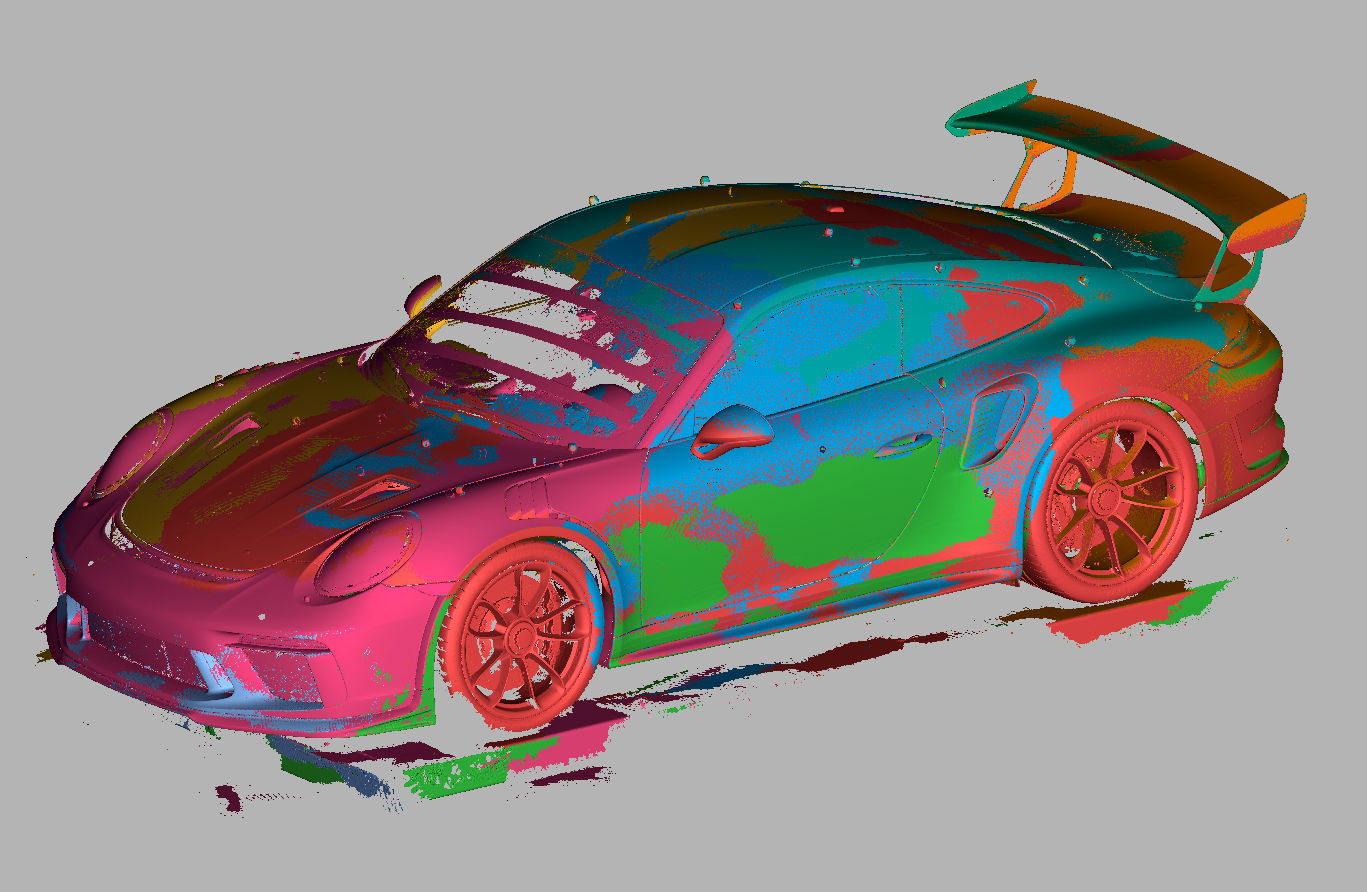
The process begins with damage assessment. After a collision, not all damage is obvious. A car may show a dented fender, but the impact energy could have travelled through the body, causing misalignment in the frame or internal components. Digital scanners emit laser or structured light patterns across the vehicle’s surface and detect the reflected light with cameras or sensors. By analysing how the light deforms, the system creates a detailed 3D model of the vehicle. This model reveals not only visible damage but also subtle deviations from the manufacturer’s original design.
The 3D data is compared against a database of factory specifications. Manufacturers provide digital blueprints of vehicle bodies, including measurements for critical points such as suspension mounts, door openings and engine cradles. The scanning software overlays the damaged vehicle’s model onto these blueprints, highlighting areas where measurements exceed allowable tolerances. This comparison enables technicians to pinpoint exactly where adjustments or replacements are needed. For example, if the scan shows that the front left corner is slightly shorter than specification, the technician knows that the frame may need to be pulled or that suspension components may be bent.
Digital scanning also aids in blueprinting the repair. A blueprint is a detailed plan that outlines each step required to restore the vehicle. It includes the sequence of operations, the parts to be replaced, and the measurements that must be achieved. By referring to the 3D scan, technicians can prioritise structural repairs before addressing cosmetic damage. This method ensures that the vehicle’s foundation is sound before panels are installed and painted. It prevents the scenario where a vehicle looks repaired but has underlying misalignments that could affect safety or lead to premature wear.
During the repair process, digital measurements guide the alignment and replacement of components. Frame machines equipped with measuring systems can reference the 3D model to apply precise pressure at specific points, pulling the structure back to its original shape. As each adjustment is made, the vehicle can be rescanned to verify progress. This iterative process ensures that the structure is not over‑corrected or distorted. When replacing a structural component, technicians can align it using real‑time measurements, ensuring that mounting points match the factory blueprint.
Digital scanning extends to mechanical repairs as well. Suspension geometry plays a critical role in vehicle handling and safety. After a collision, suspension components may be bent or misaligned. By measuring the distances between suspension mounting points and comparing them with factory data, technicians can determine whether components need replacement. Once new parts are installed, a final scan confirms that the geometry is correct. This level of precision contributes to proper tyre wear, handling and stability.
Another advantage of digital scanning is the ability to document repairs comprehensively. Insurance companies and customers increasingly expect transparency. By providing a before‑and‑after scan, repair facilities can demonstrate that the vehicle has been restored to specification. This documentation can be valuable for resale, showing prospective buyers that the repair was thorough and precise. It also protects the repair facility by providing evidence that the work was done correctly.
Digital scanning technology continues to evolve. Mobile scanning units allow technicians to capture data in the field or in tight shop spaces. Artificial intelligence is being integrated to analyse scan data faster and to identify patterns in collision damage. Some systems can even guide technicians through the repair process, suggesting steps based on the specific damage detected. As autonomous and semi‑autonomous vehicles become more common, the importance of precise structural alignment and sensor positioning will grow, making digital scanning even more critical.
Digital scanning has transformed collision repair by providing accurate, data‑driven insights. It guides the repair process from assessment to completion, ensuring that vehicles are restored to their original specifications.
By embracing this technology, CSN427 enhances the quality of their work, increase transparency with customers and stay ahead of the evolving demands of modern vehicles.