A collision repair estimate can look like a wall of codes, abbreviations, and line items that mean little unless someone translates them. You're often handed one at a stressful moment and expected to nod along. Understanding how an estimate is built, and what the terms that worry people actually mean, puts you in a much better position to ask the right questions before any work begins.
How an estimate is structured
Most estimates break a repair into a few categories. Parts lists the components being replaced, usually with a note on whether each is OEM, aftermarket, or used. Labour covers the work itself, often split into body labour, structural or frame labour, and mechanical, measured in hours at a posted rate. Refinish covers the paint side, the materials and the labour to prepare, paint, and blend. Materials captures the consumables a job uses. And on modern cars you'll increasingly see lines for diagnostic scanning and calibration, because those are real steps now, not extras. Seeing the estimate in those buckets makes the total far less opaque.
What a supplement is, and why it's normal
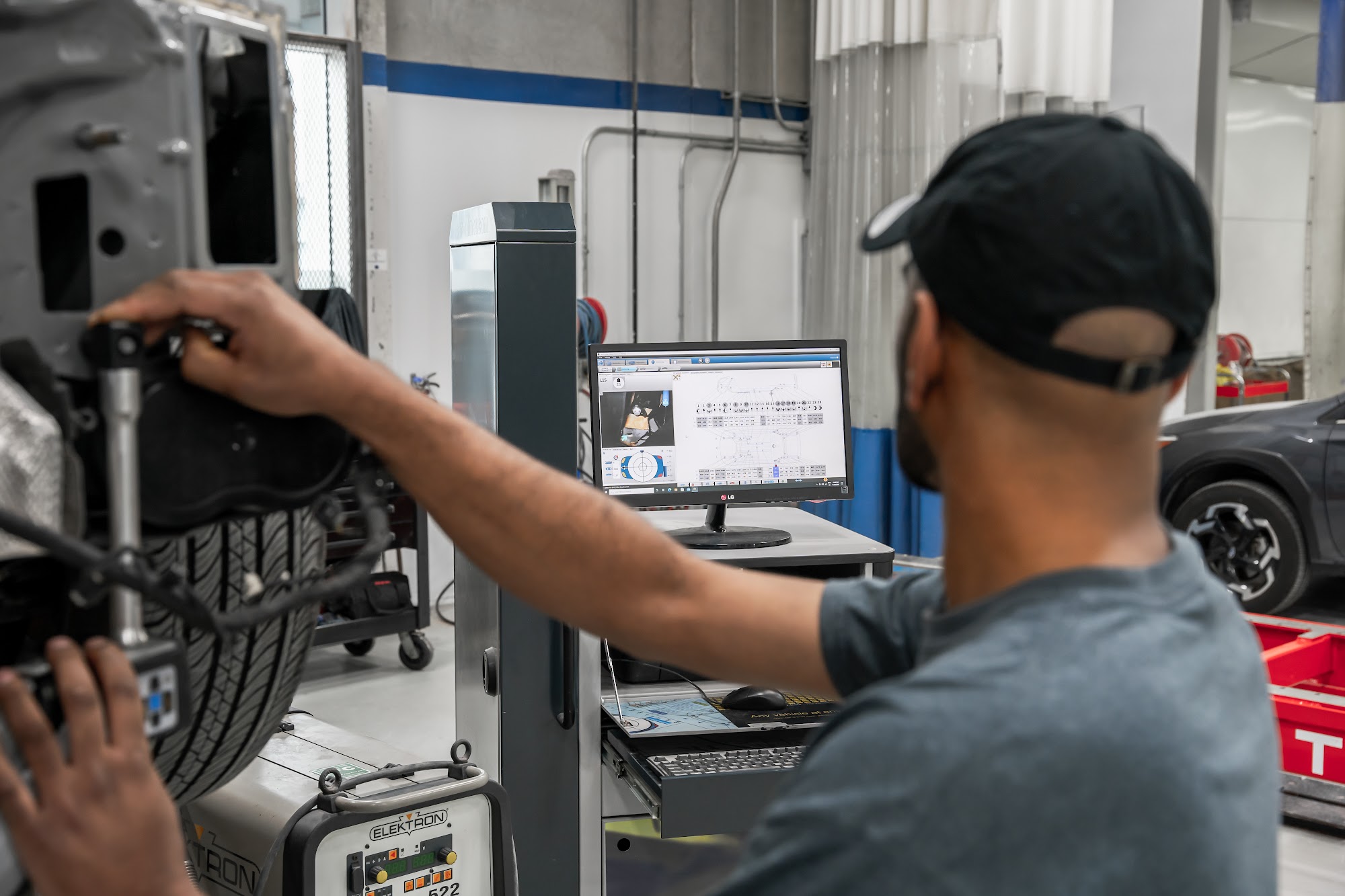
The term that throws people most is "supplement." A supplement is an addition to the original estimate, made when damage is found that couldn't be seen at first. It almost always appears after disassembly, when removing the damaged panels reveals something underneath, a bent component, a broken bracket, hidden structural damage. It isn't the shop padding the bill. It catches the estimate up to what the car actually needs once the damage can be properly seen, and on insurance jobs it goes to the insurer for approval before that work proceeds. A repair that turns up a supplement or two is ordinary, especially on a harder hit. Diagnostic scanning helps surface some of this earlier, which our note on how digital scanning guides repairs explains.
The terms worth knowing
A couple of refinish terms come up a lot. "Blend" refers to feathering new paint into the adjacent panels so a repair has no visible edge, which is why a refinish line sometimes includes neighbouring panels that weren't damaged: it's how the repair becomes invisible on modern finishes. "Calibration" refers to resetting the safety sensors after work that affected them, the step that makes sure systems like automatic braking read the road correctly. And the part-type notes, OEM versus aftermarket versus used, are worth understanding because they affect fit, safety, and resale, as our note on why authentic parts matter for asset value covers.
Questions to ask before work starts
A few questions clear up almost everything. Ask what parts are being used and why. Ask what the estimate assumes might change once disassembly begins, so a supplement isn't a surprise. Ask whether calibration is included if your car has driver-assistance features. And ask anything on the sheet you don't recognize, because a good shop will explain it plainly rather than waving it off. Our services page lays out what we handle, and we're glad to walk through an estimate line by line.
An estimate isn't meant to be a mystery, even if it reads like one at first. Before you approve a repair, take a few minutes to understand the line items and ask about anything unclear, because that's the moment to get answers, not after the work is done.
This article is general information, not insurance advice. For what your policy covers, check with your licensed broker.