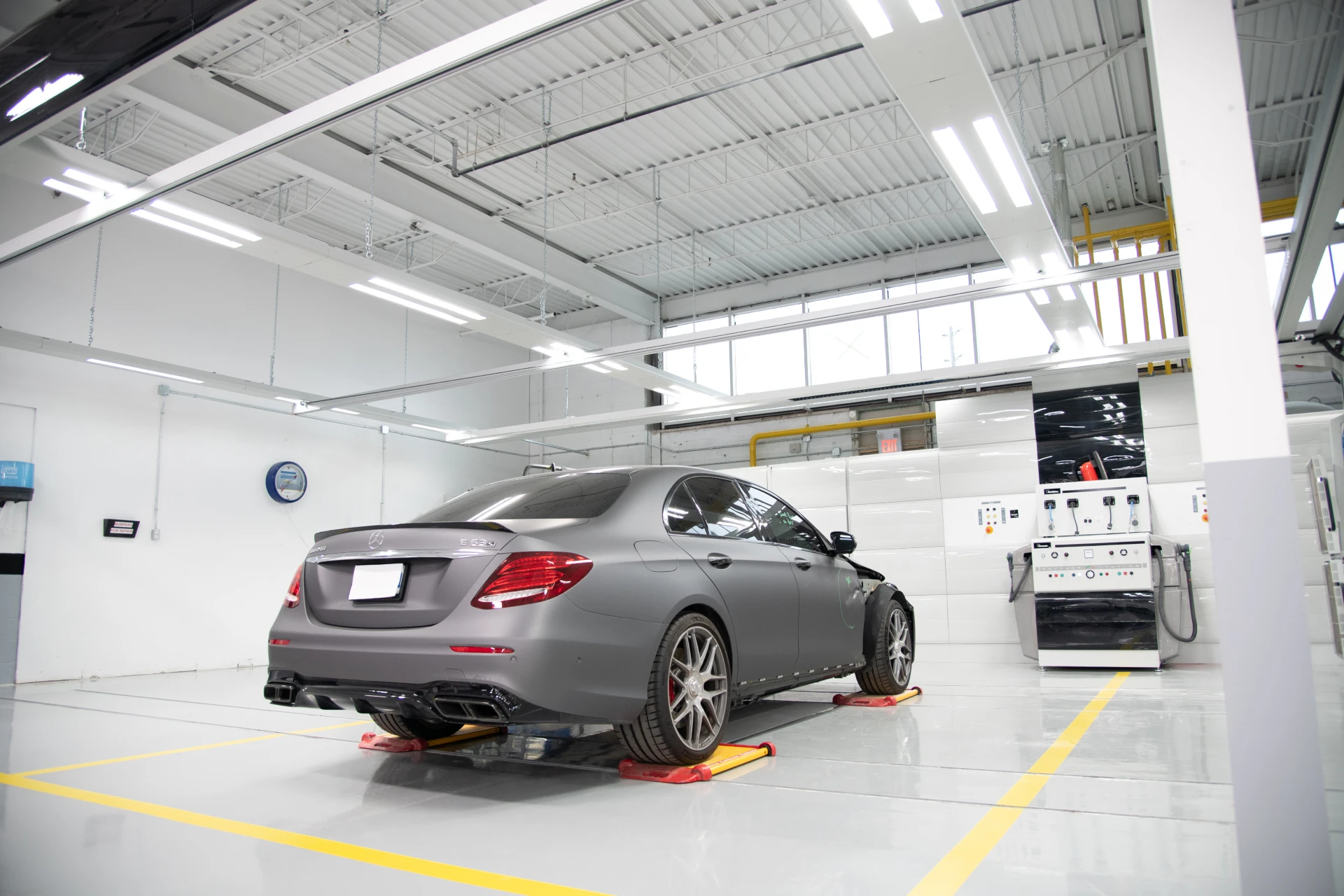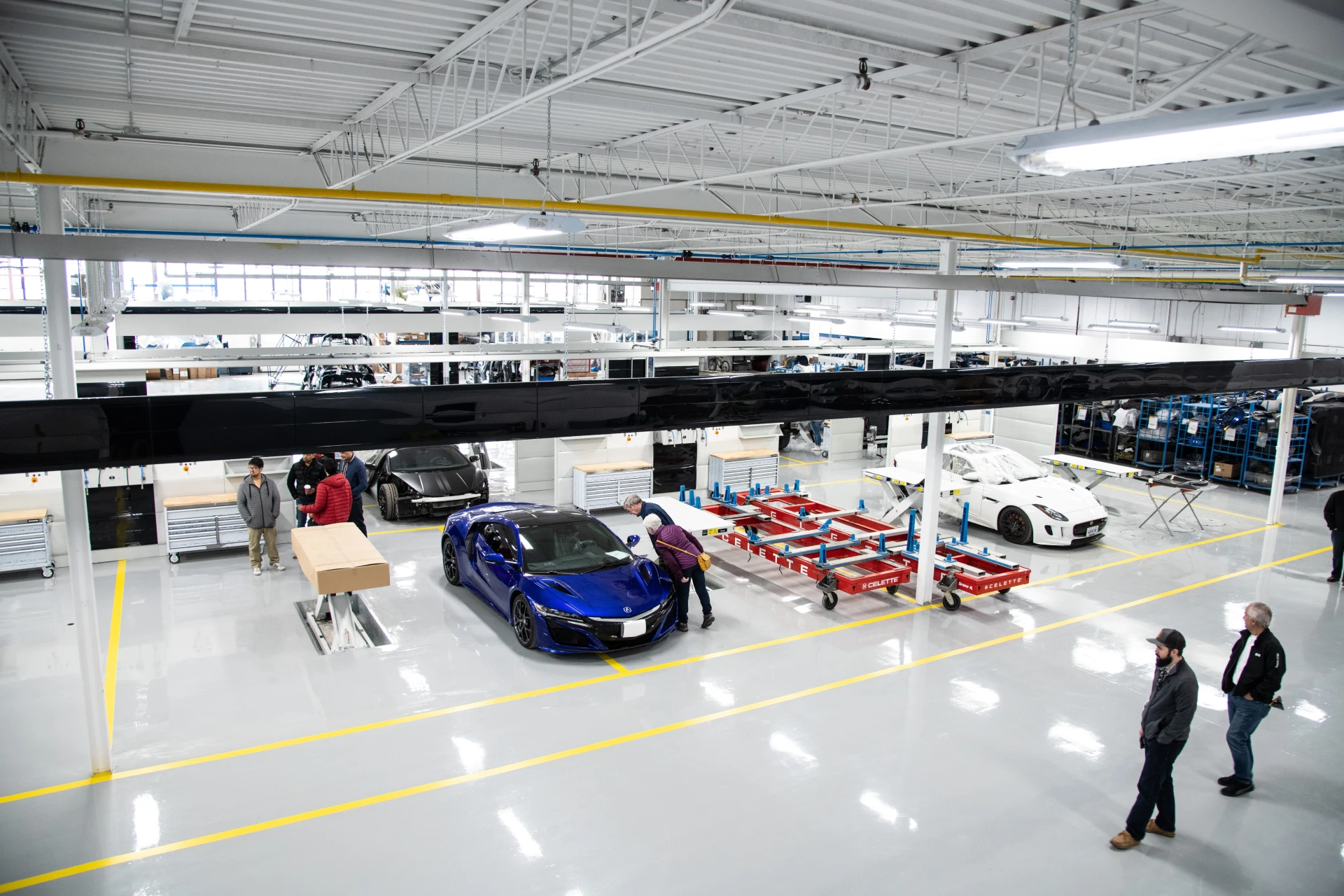
Exotic cars occupy a special place in the automotive world. They blend cutting‑edge engineering with striking design, often pushing the limits of performance and aesthetics. To achieve their remarkable characteristics, these vehicles incorporate advanced materials, such as carbon‑fibre monocoques, aluminium space frames and magnesium alloys. When an exotic car is involved in a collision, repairing it demands an understanding of these materials and how they contribute to the vehicle’s overall dynamics.
Carbon‑fibre monocoques are central to many exotic cars’ design. Unlike traditional unibody or body‑on‑frame constructions, a monocoque uses the external skin as a structural element. This design is extraordinarily stiff and light, improving handling and acceleration. However, repairing a carbon‑fibre monocoque is challenging. Damage to a load‑bearing area can compromise the entire structure. Technicians must assess the extent of the damage using techniques like ultrasonic testing or X‑ray imaging. If the damage is within a repairable area, they remove the affected fibres and rebuild the section using layered carbon‑fibre cloth and resin. The repair is then cured in an autoclave or controlled oven to achieve the necessary strength. If the damage is extensive, replacement may be the only option, requiring major disassembly and reassembly.
Aluminium space frames are used in many exotic cars to provide a rigid skeleton while keeping weight down. These frames consist of extruded and cast aluminium components joined by welding, bonding or riveting. Aluminium’s lightweight nature improves acceleration and handling but presents repair challenges. Heat affects aluminium differently than steel; excessive heat can cause softening or distortion. Therefore, repairs often involve replacing damaged sections rather than pulling or straightening them. Replacement sections must be cut precisely and attached using manufacturer‑approved fasteners and adhesives. Welding requires specialized equipment and shielding gases to prevent contamination.
Magnesium alloys may appear in structural or engine components. Magnesium is lighter than aluminium but more brittle and prone to corrosion. Repairing magnesium components typically involves replacement, as welding or bonding magnesium can be hazardous and may not restore full strength. When working with magnesium, technicians must ensure that protective coatings are intact to prevent corrosion.
Exotic cars also use advanced composites beyond carbon fibre. Kevlar and aramid fibres may reinforce certain areas for puncture resistance, while glass‑fibre composites provide flexibility in non‑structural areas. Each material has its repair method. Kevlar is difficult to sand, as the fibres tend to fray, so technicians use sharp cutting tools and apply resins carefully to encapsulate the fibres. Glass‑fibre repairs involve sanding and layering glass cloth with resin, followed by curing and finishing. Understanding the properties of each material ensures that repairs restore the original strength and appearance.
Structural integrity is closely tied to aerodynamic performance in exotic cars. Body panels are sculpted not only for aesthetics but also for downforce, cooling and stability. Repairing these panels requires attention to contour and fitment. Even a small deviation in a panel’s shape can alter airflow, increasing drag or reducing downforce. Technicians use precision measuring tools and templates to ensure that panels align perfectly. They may employ 3D scanning technology to create a digital model of the damaged area and compare it with original specifications. This data guides fabrication or alignment adjustments, ensuring that the repaired vehicle retains its intended aerodynamic properties.
The interior of an exotic car is often an extension of its exterior design, using carbon fibre, leather and custom metals. Repairing interior components requires a high level of craftsmanship. Carbon‑fibre interior trim must be refinished without damaging the weave pattern, while leather surfaces must be matched in grain and colour. Exotic cars may feature custom stitching patterns, unique materials like Alcantara or custom metal accents. Replacing or repairing these elements requires sourcing the correct materials and applying techniques that match the original craftsmanship. As these vehicles often have limited production runs, finding exact replacements may involve working directly with the manufacturer or specialized suppliers.
Electronic systems in exotic cars can be as advanced as their structural components. Active aerodynamics, adaptive suspension and telemetry systems interact to optimize performance. After a collision, these systems may need recalibration. For example, an active rear wing may need to be repositioned and reprogrammed to deploy at the correct speed. Suspension sensors that adjust damping rates based on road conditions must be recalibrated to ensure that the vehicle handles as designed. These tasks require diagnostic equipment and software specific to the model, along with technicians trained to interpret and adjust the data.
Finally, customer expectations for exotic car repairs are exceptionally high. Owners invest considerable resources in these vehicles and expect them to be returned to like‑new condition. Repair facilities specializing in exotic cars must provide transparency about the repair process, including the techniques used, the parts sourced and the expected outcomes. Detailed documentation and photographic records reassure owners that their vehicle is being treated with care and precision. When done correctly, repairs restore not only the structural integrity and aesthetics but also the emotional connection owners have with their exotic vehicles.