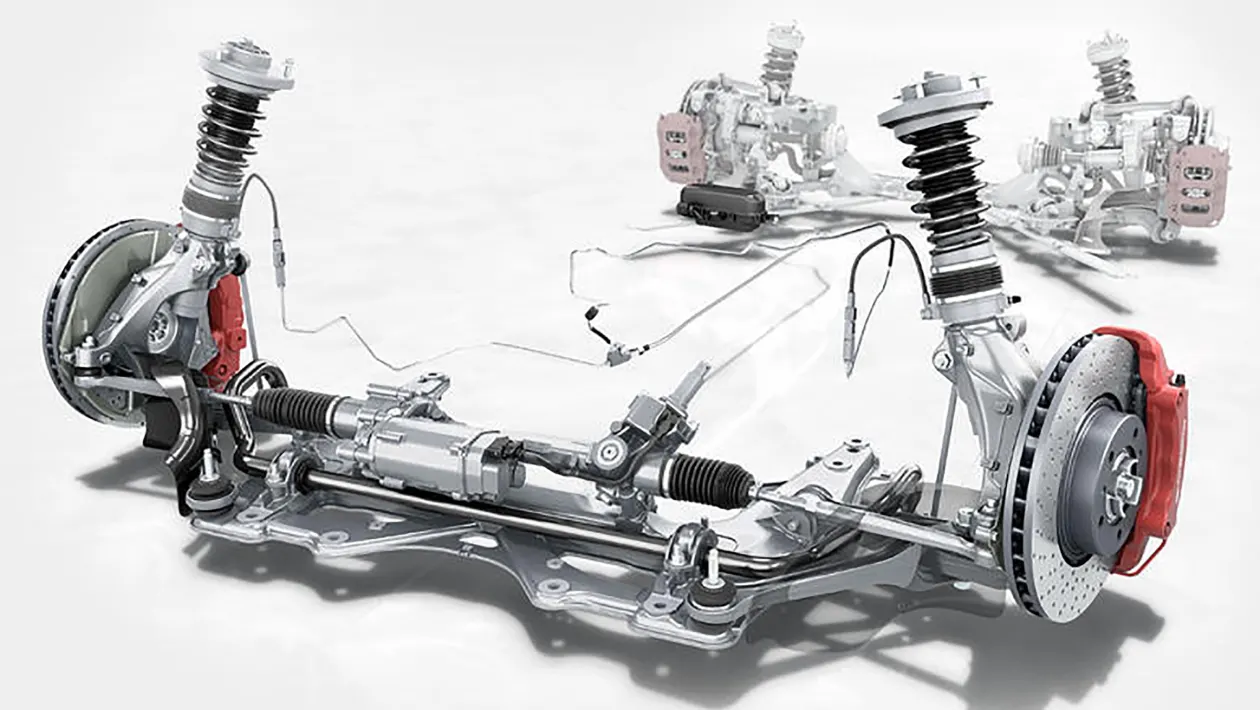
The automotive parts industry is vast, offering everything from original equipment manufacturer (OEM) components to aftermarket alternatives. For many repairs, aftermarket parts provide cost‑effective solutions without compromising safety. However, for luxury and high‑performance vehicles, the choice of parts can significantly affect performance, safety and value. Understanding why authentic parts matter helps owners make informed decisions that protect their investment.
OEM parts are designed and manufactured to the exact specifications of the vehicle. They have undergone rigorous testing to ensure they fit perfectly, perform reliably and interact seamlessly with other systems. For example, a bumper designed for a specific model includes engineered crumple zones, mounting points for sensors and materials that absorb impact in a controlled manner. An aftermarket bumper may look similar but could lack the precise engineering that optimises crash performance. In a collision, the difference could affect how energy is absorbed and how airbags deploy.
Authentic parts also ensure that design elements are preserved. Luxury vehicles often have unique body lines, trim details and finishes. A door panel from the manufacturer will match the curvature, thickness and surface texture of the original. An aftermarket panel may have slight variations that become noticeable upon installation. These small differences can affect panel alignment, create gaps or alter aerodynamics. Over time, misaligned panels can lead to wind noise or water leaks, undermining the vehicle’s refinement.
Electronic components illustrate another critical area. Modern vehicles rely on networks of sensors, control units and software. An OEM sensor for adaptive cruise control or collision avoidance will be calibrated to communicate with the vehicle’s systems precisely. Aftermarket sensors may differ in signal characteristics, leading to errors or warnings. They may lack the necessary firmware updates or may not integrate with the vehicle’s diagnostic systems. Using an authentic part ensures that electronic systems function as intended, preserving safety and convenience features.
The financial aspect is equally important. Luxury vehicles retain value partly because of their reputation for quality and performance. When a vehicle has been repaired with OEM parts, potential buyers or appraisers see that the owner invested in maintaining the vehicle’s integrity. Service records showing the use of genuine parts can boost buyer confidence. They indicate that shortcuts were not taken and that the vehicle remains as close to its factory condition as possible. Conversely, extensive use of aftermarket parts may raise questions about repair quality and future reliability, potentially reducing resale value.
Warranty considerations cannot be overlooked. Manufacturers may require that repairs be performed with genuine parts to maintain warranty coverage. If a non‑OEM part fails or causes damage, the manufacturer may deny claims. Using authentic parts avoids disputes and ensures that any warranty claims on related components are honoured. For example, a brake system warranty could be compromised if aftermarket brake pads cause premature wear on rotors. A certified repair facility that uses OEM parts protects the owner’s warranty rights.
There are also regulatory and safety implications. Certain parts, such as airbags, seat belts and structural components, must meet specific safety standards. OEM parts are designed to meet these standards as part of the vehicle’s overall safety system. Aftermarket alternatives may not have undergone the same level of testing. In some regions, regulations require the use of OEM parts for particular safety systems. Choosing authentic parts ensures compliance with these regulations and protects occupants in the event of another collision.
That said, not all aftermarket parts are inferior. Some aftermarket manufacturers produce high‑quality components, particularly for wear items like brake pads, filters or suspension components. In motorsports or customisation, aftermarket parts can improve performance or create unique aesthetics. The key is understanding when to use them. For daily driving and collision repair on a luxury vehicle, OEM parts maintain the balance of performance, safety and design that the manufacturer intended. For modifications or specialised applications, reputable aftermarket parts can enhance performance, provided they are chosen wisely and installed properly.
In summary, using authentic parts for luxury and high‑performance vehicles preserves the vehicle’s engineered qualities, protects warranty coverage and supports resale value. It signals a commitment to maintaining the vehicle at the standard set by the manufacturer. While aftermarket parts have their place, discerning owners and technicians recognise that authenticity matters when the goal is to preserve an investment and enjoy the vehicle as it was designed.