


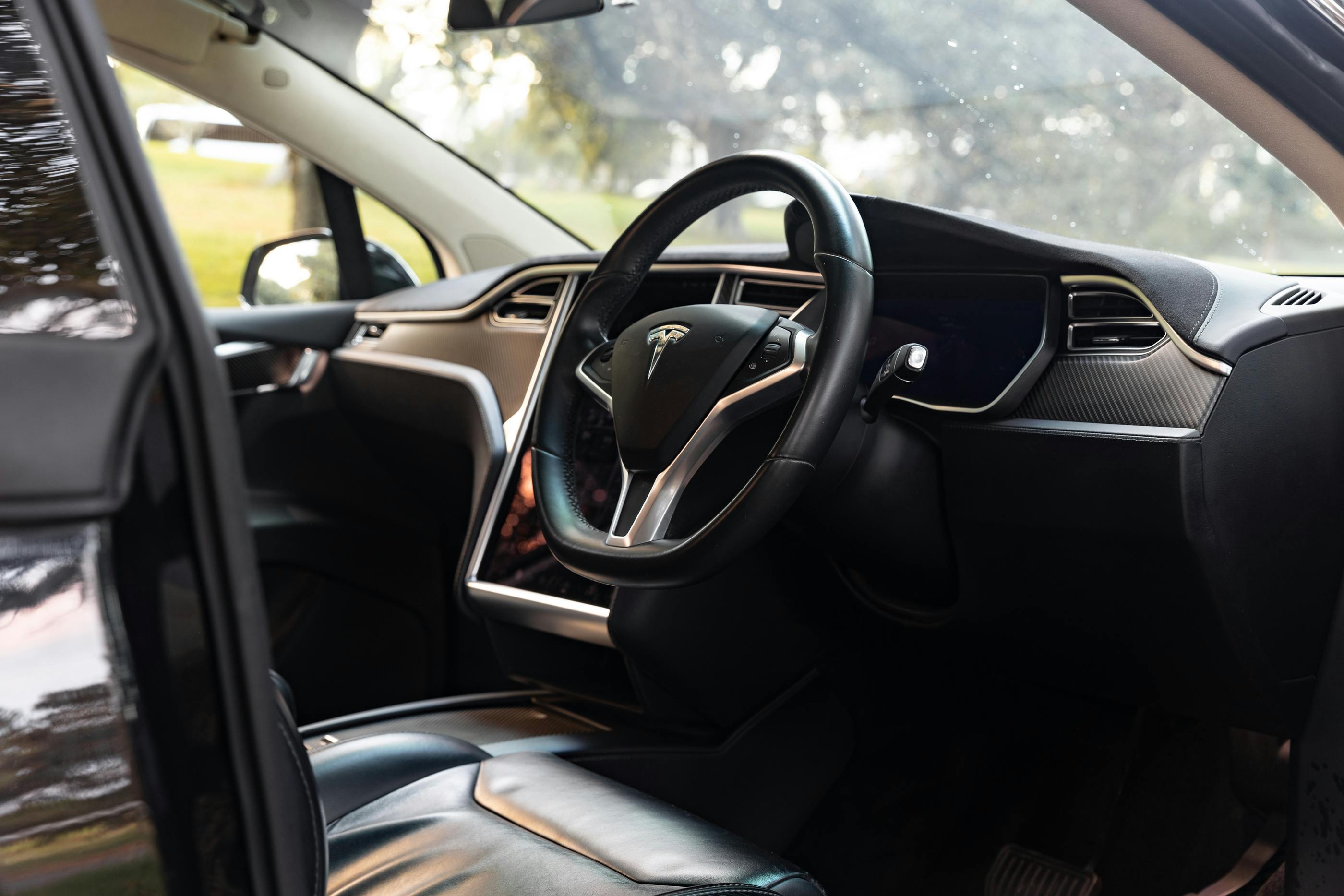
The digital revolution in automotive technology has introduced features that were unimaginable a generation ago. Connected cars can communicate with manufacturers, update their software over the air, offer remote control via smartphone apps and integrate with home automation systems. These conveniences and safety features depend on a complex web of software and hardware. When a vehicle is repaired after a collision, technicians must ensure that the electronic systems are restored and that connected‑car features operate correctly. Software updates play a crucial role in this process.
Modern vehicles contain dozens of control units governing everything from engine management to seat heaters. These control units run software that interprets sensor data and commands actuators. In a collision, some control units may be replaced, disconnected or lose power. When the repair is complete, technicians need to verify that each module communicates properly with the vehicle’s network. Diagnostic tools scan for error codes and monitor communication between modules. If a module is not functioning or is missing software, it may cause other systems to behave unpredictably.
Software updates are often necessary because manufacturers release new firmware to address bugs, improve performance or add features. A collision repair can serve as an opportunity to update systems to the latest software version. For example, an update may improve battery management in an electric vehicle, refine adaptive cruise control algorithms or fix a glitch in the infotainment system. Applying these updates ensures that the vehicle benefits from the latest improvements and that repairs integrate seamlessly with new software behaviours.
Connected‑car features extend beyond the vehicle itself. Telemetry systems transmit data to manufacturers or third‑party services for diagnostics, maintenance alerts or emergency response. If a control unit responsible for telematics is replaced, it may need to be registered with the manufacturer’s servers. This process can involve pairing the vehicle’s system with the owner’s account, verifying subscription status and performing test transmissions. A mismatch between hardware and software can prevent remote features from working, such as remote start, lock/unlock or location tracking.
Digital keys and smartphone integration are becoming common in luxury vehicles. Owners can unlock and start their car using a phone app, share digital keys with family members and control climate settings remotely. After a repair, technicians must ensure that the digital key functionality is restored. This may require re‑pairing the phone with the vehicle, updating app credentials or resetting authentication tokens. Security is paramount; the system must recognise authorised devices and reject unauthorised access.
Infotainment systems are also subject to updates. These updates can improve user interfaces, add support for new media formats or fix connectivity issues with Bluetooth and Wi‑Fi. When a repair involves disconnecting the battery or replacing display units, technicians must verify that the infotainment system boots correctly and that all features function. This includes checking satellite navigation, voice recognition, smartphone mirroring and in‑car Wi‑Fi hotspots. Because infotainment is often integrated with vehicle controls, a malfunctioning system can affect other functions like climate control or vehicle settings.
Safety systems rely on software to interpret sensor data and actuate brakes, steering and warning signals. After a repair, particularly one involving structural components, sensors may need recalibration and software may need updating to account for new parameters. For example, a replaced radar sensor for collision avoidance may require a software update to recognise its new hardware revision. Technicians run diagnostic routines to verify that the system sees and responds to obstacles appropriately and that warnings and interventions occur at the correct times.
Cybersecurity is an emerging concern in connected vehicles. Repairs must not introduce vulnerabilities. Control units are designed to communicate securely, and updating them ensures that known vulnerabilities are patched. Technicians must follow manufacturer guidelines for connecting diagnostic equipment to the vehicle’s network, avoiding unauthorized access that could compromise security. Part of the post‑repair process includes verifying that all communication channels are secure and that the vehicle’s firewall and encryption protocols are intact.
Recordkeeping and transparency are vital for owners. Repair facilities document software versions, updates applied and tests performed. This information is useful for warranty claims, future repairs or resale. It shows that the vehicle was updated and that connected features were verified. As software becomes a more integral part of vehicle operation, this documentation becomes as important as records of physical repairs.
In conclusion, software updates and connected‑car features require careful attention after a collision repair. The repair process must restore not only the mechanical integrity of the vehicle but also the functionality of its electronic systems. By updating software, verifying connected features and ensuring cybersecurity, technicians deliver a complete repair that allows owners to enjoy the full capabilities of their modern vehicles.


.avif)


